

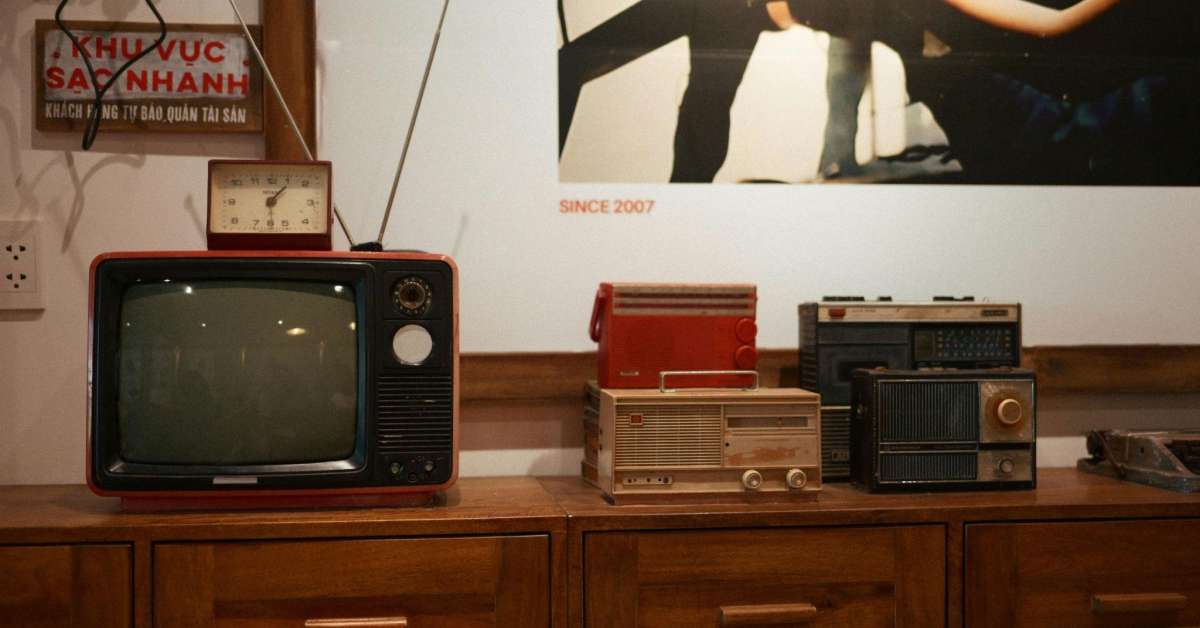
Plastic didn’t start life with a reputation problem. In fact, when early plastics first appeared in the early 20th century, they were seen as modern, advanced, and even luxurious. Materials like Bakelite symbolised progress—used in radios, telephones, jewellery, and electrical components where reliability mattered more than appearance. Plastic was new science made solid.
The shift toward “cheap” came later, driven not by the material itself, but by how it was used. After World War II, advances in polymer chemistry unlocked plastics that were lighter, faster to mould, and far less expensive to produce. Polyethylene and polypropylene made mass production easier than ever. Manufacturers could now flood markets with affordable consumer goods, packaging, and disposables at unprecedented scale.
This was a triumph of efficiency—but it came with consequences. Plastic’s very strengths—low cost, consistency, and speed of production—encouraged throwaway design. Items that could have been engineered to last were instead made thinner,
simpler, and shorter-lived. Over time, consumers began to associate plastic not with performance, but with disposability.
Marketing played its part too. Plastics replaced metal, timber, and glass in many products, often without explaining the trade-offs or advantages. When a plastic version failed earlier than its heavier predecessor, the blame fell on the material rather than on poor design choices or cost-cutting. “Plastic” became shorthand for “inferior,” even when the real issue was engineering intent.
Ironically, some of the most demanding applications on earth rely on plastics: aerospace components, medical implants, water infrastructure, and chemical storage. In these settings, plastic is chosen for durability, corrosion resistance, and longevity—not price.
Plastic didn’t become cheap because it is cheap. It became cheap because we often chose to use it that way. When designed properly, plastic remains one of the most capable and long-lasting materials ever developed—still quietly outperforming expectations while carrying a reputation it doesn’t entirely deserve.
Durability isn’t accidental — it’s engineered.
See how plastic solutions are designed for long-term performance in heavy industry.