

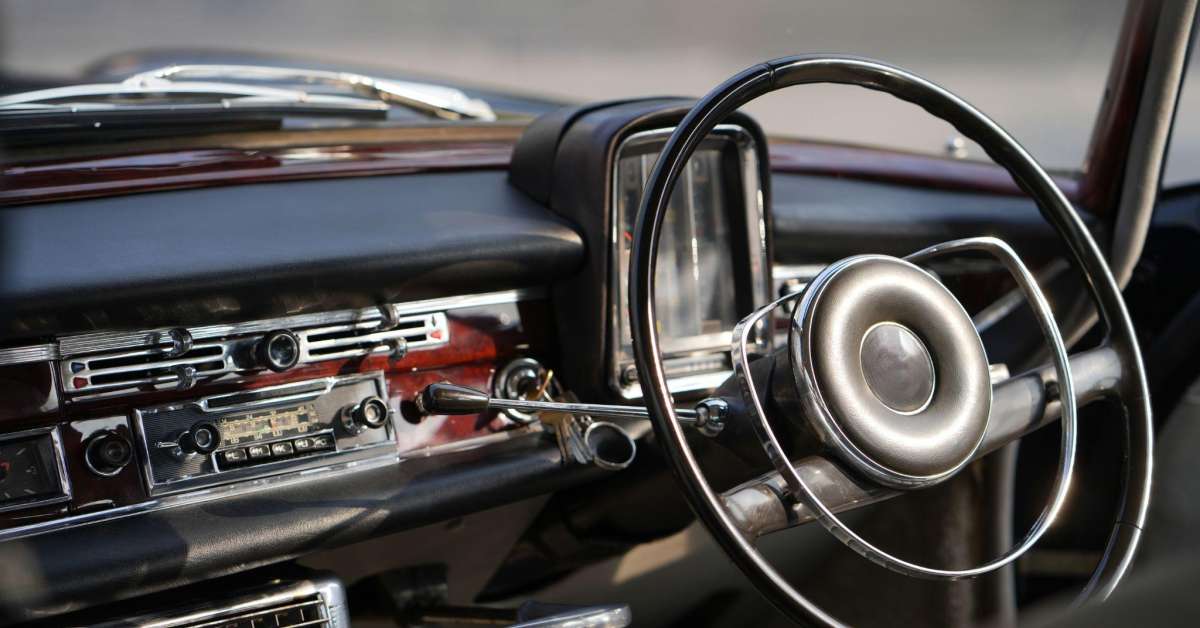
When the first motor cars rolled onto roads in the early 1900s, they were almost entirely mechanical creations—steel frames, timber dashboards, leather seats, and glass. Plastic, if it appeared at all, was a novelty. Yet over the next century, plastics would quietly transform the automobile from the inside out.
Early uses of plastic in cars were modest but important. In the 1920s and 30s, Bakelite found its way into steering wheels, distributor caps, and electrical components. Its heat resistance and insulating properties made it ideal for the increasingly complex electrical systems under the bonnet. These parts didn’t rust, warp, or conduct electricity—small advantages that quickly proved invaluable.
The real shift came after World War II. Wartime advances in polymer science produced materials like nylon, polyethylene, and later polypropylene and ABS. Car manufacturers embraced these plastics to reduce weight, simplify manufacturing, and improve consistency. Dashboards, interior trims, knobs, and switchgear transitioned from metal
to moulded plastic, allowing smoother shapes and integrated functions that metal couldn’t easily achieve.
By the 1970s and 80s, plastics moved beyond interiors. Fuel tanks, bumpers, intake manifolds, and under-bonnet components were increasingly made from engineered polymers. Reducing vehicle weight became critical for fuel efficiency, emissions, and performance, and plastics delivered strength without mass. Unlike steel, they didn’t corrode, and unlike aluminium, they could be moulded into complex shapes at scale.
Today, the average car is up to 50% plastic by volume, though far less by weight. High-performance composites reinforce structural components, while advanced polymers manage heat, vibration, and chemical exposure in harsh environments. Electric vehicles have accelerated this trend even further, relying on plastics for insulation, battery housings, and lightweight structures.
Plastics didn’t take over cars with fanfare. They earned their place quietly—part by part—solving problems that metal alone couldn’t, and reshaping the modern motor car in the process.
Understanding materials leads to better outcomes.
Explore more insights on plastics, manufacturing, and industrial innovation.