

When people hear the word mould, it’s usually followed by a wrinkled nose and thoughts of spoiled food. Yet in the world of premium meat production, mould is not a problem to be avoided—it’s a powerful tool to be carefully cultivated.
Some of the world’s most prized meats owe their flavour, texture, and character to beneficial moulds. Traditional dry-cured hams like prosciutto, jamón ibérico, and speck rely on natural surface moulds during long aging periods. These moulds act as a protective layer, regulating moisture loss while preventing harmful bacteria from taking hold. At the same time, they gently break down proteins and fats, contributing to the deep, complex flavours that define these iconic products.
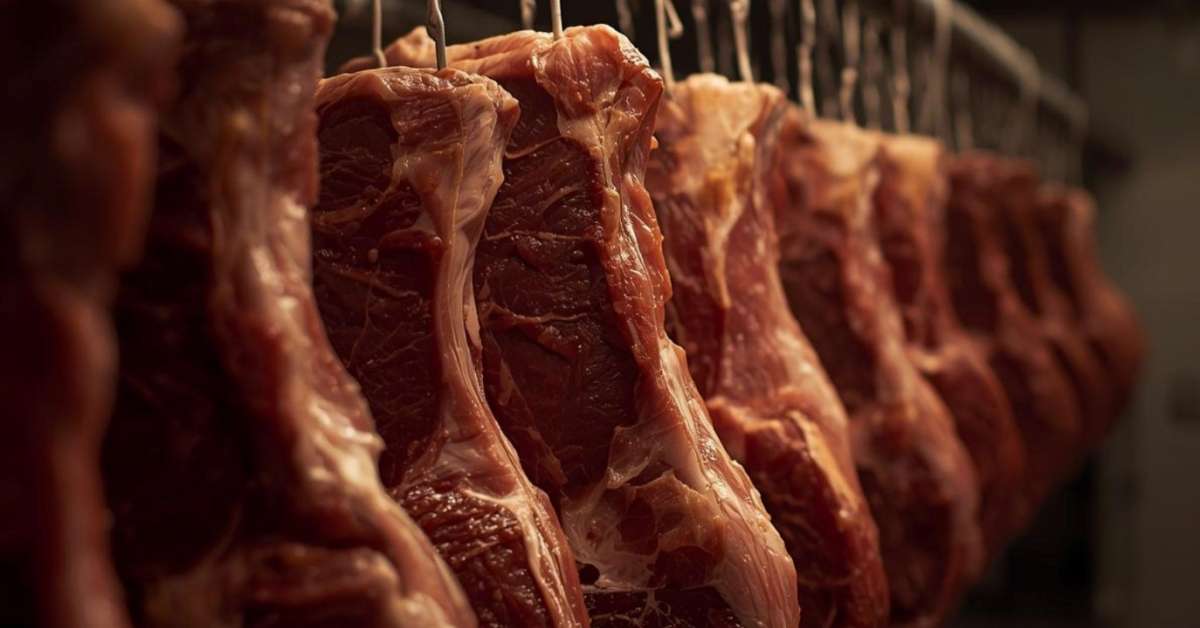
Dry-aged beef is another example where mould plays a critical role. During aging, controlled mould growth on the meat’s exterior helps concentrate flavour and tenderise muscle fibres through enzymatic activity. While the mouldy outer layer is trimmed away before sale, its influence remains in the rich, nutty, almost buttery taste prized by chefs and steak lovers.
Fermented sausages such as salami take mould even further. Specific mould cultures are intentionally introduced to the casing, creating a distinctive white bloom. These moulds improve flavour development, stabilise colour, and help regulate the drying process. Without them, many traditional sausages would lack both their signature taste and their food safety.
The key to success lies in control. Temperature, humidity, airflow, and cleanliness must be precisely managed to encourage beneficial moulds while suppressing harmful ones. This balance is where craftsmanship meets science.
Far from being an enemy, mould is an unseen collaborator in meat production—working slowly, naturally, and patiently. When respected and understood, it transforms simple cuts of meat into some of the most celebrated foods in the world, proving that sometimes the best flavours come from places we least expect.
Behind every quality product is careful handling.
Learn how storage, hygiene, and material choice influence meat processing outcomes.